Industry
Consumer Tech (B2C Mobile)
Role
Founder & Principal Product Lead
Work type
Product Growth & Design Systems
Tools used
Adobe Photoshop, Android SDK, Google Play Console, A/B Testing, Java/XML
Scaling a D2C Digital Ecosystem
Market Validation
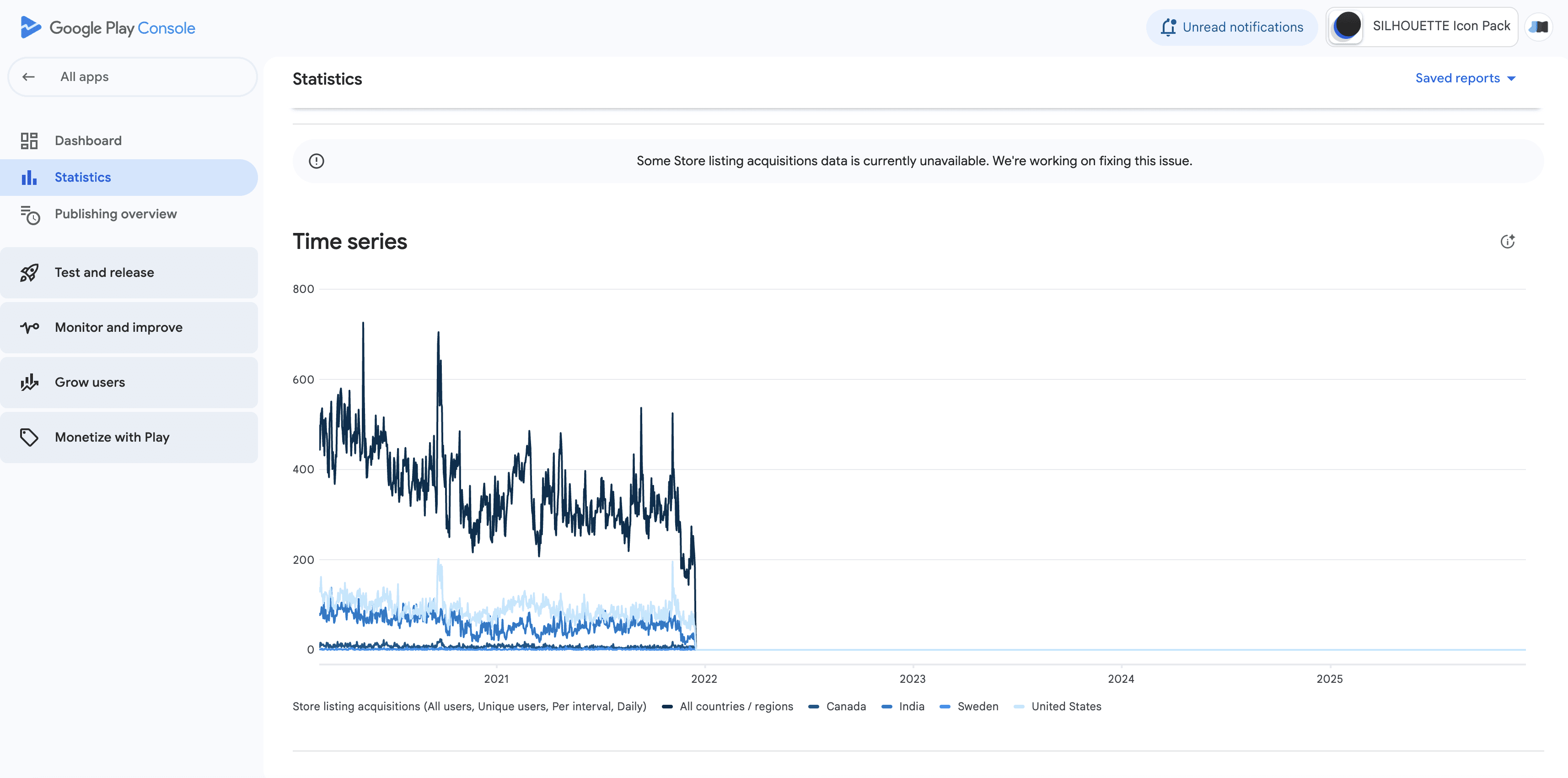
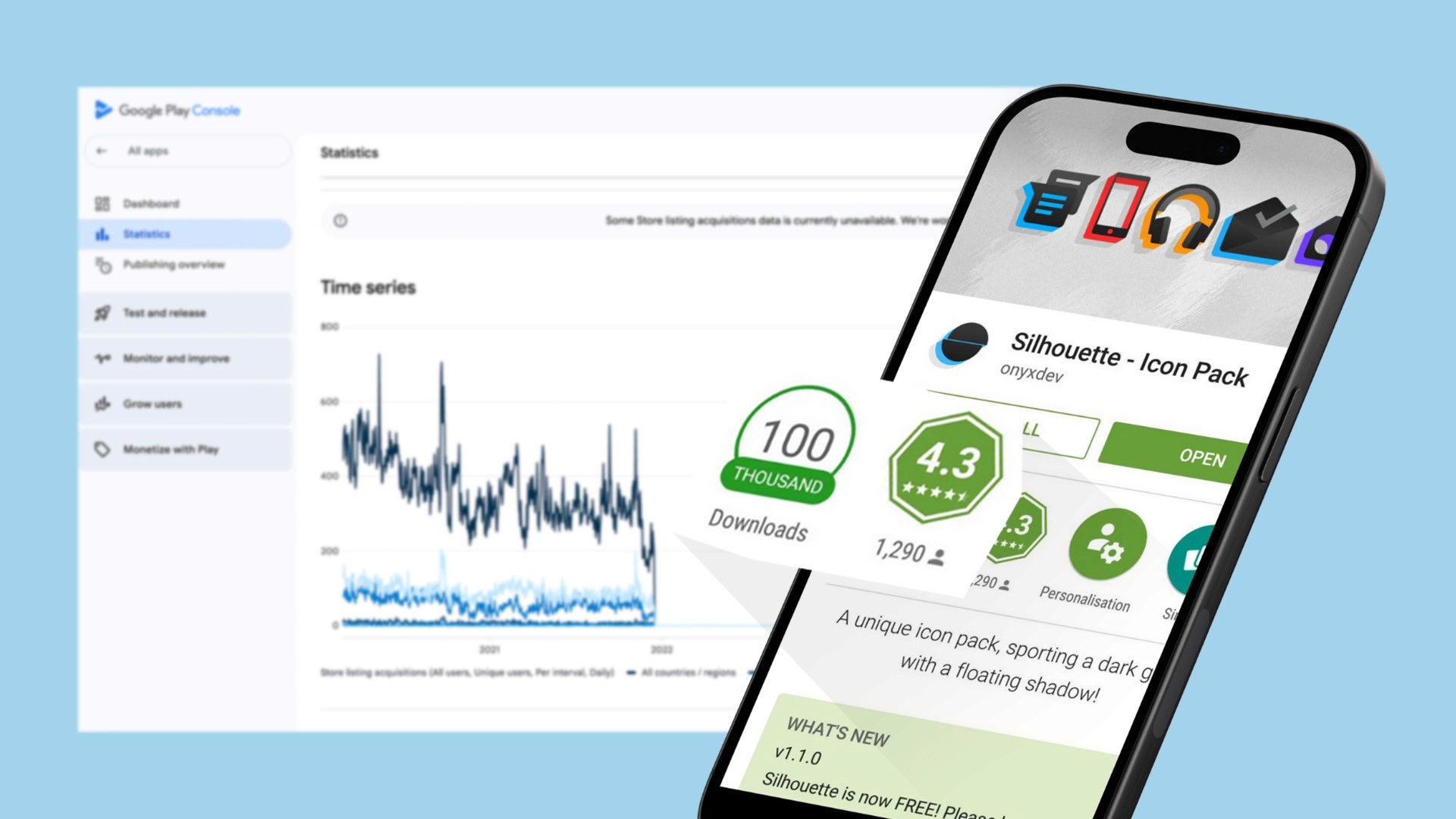
100,000+ Verified Installs: Achieved organic product-market fit without paid advertising.
4.3-Star Rating: Maintained high user retention and satisfaction over a 3-year lifecycle.
30% Revenue Growth: Optimised store listings (ASO) to drive year-on-year revenue increases.
The Challenge: Solving Visual Fragmentation
In the early maturation phase of the Android ecosystem, users faced a fragmented visual experience. While the OS allowed for customisation, cohesive design systems were scarce. The objective was to build a scalable UI framework that solved this fragmentation for users, while engineering a zero-budget distribution strategy to capture market share in a crowded app store environment.
The Approach: Systems Thinking & PLG
Scalable Design Operations
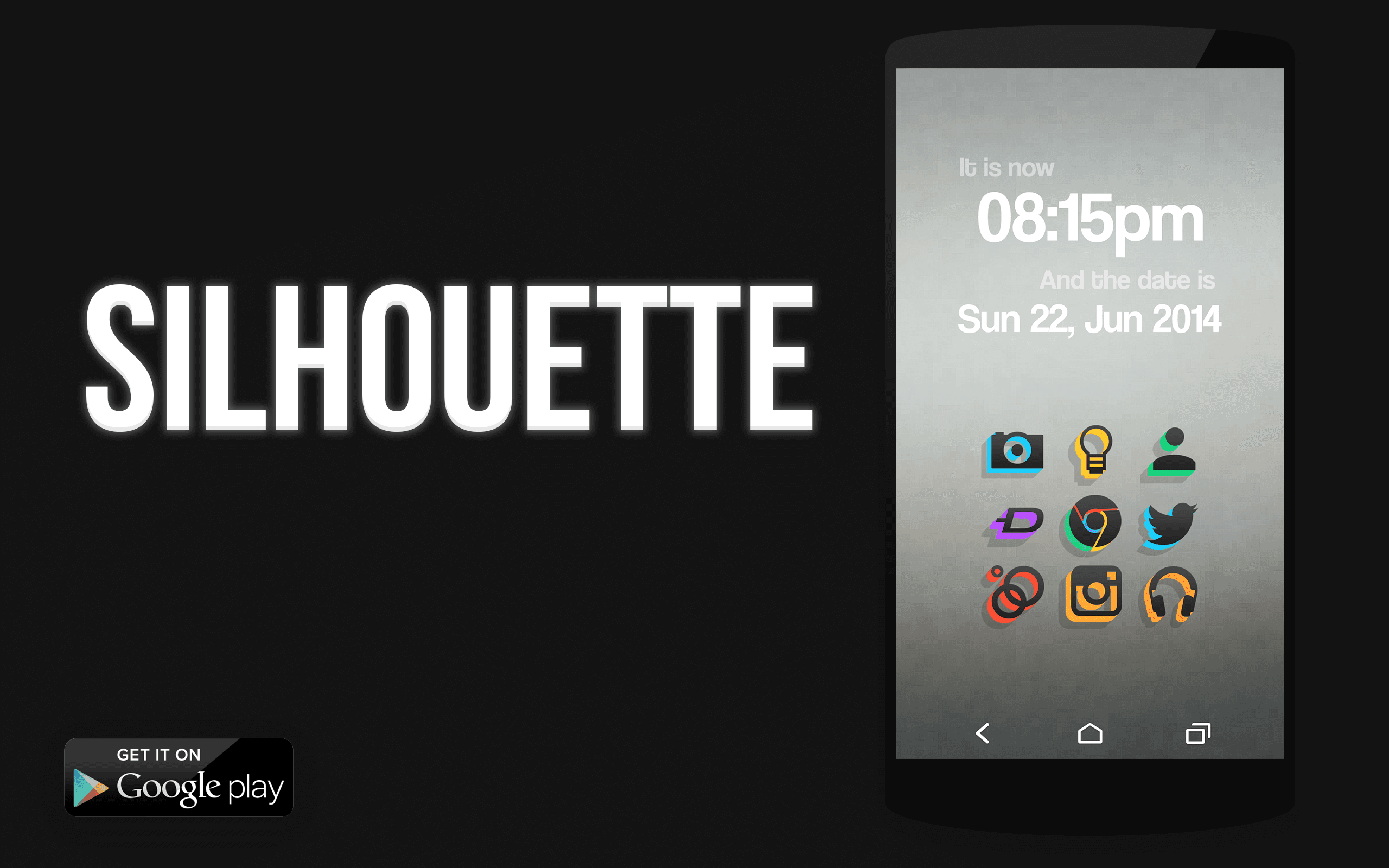
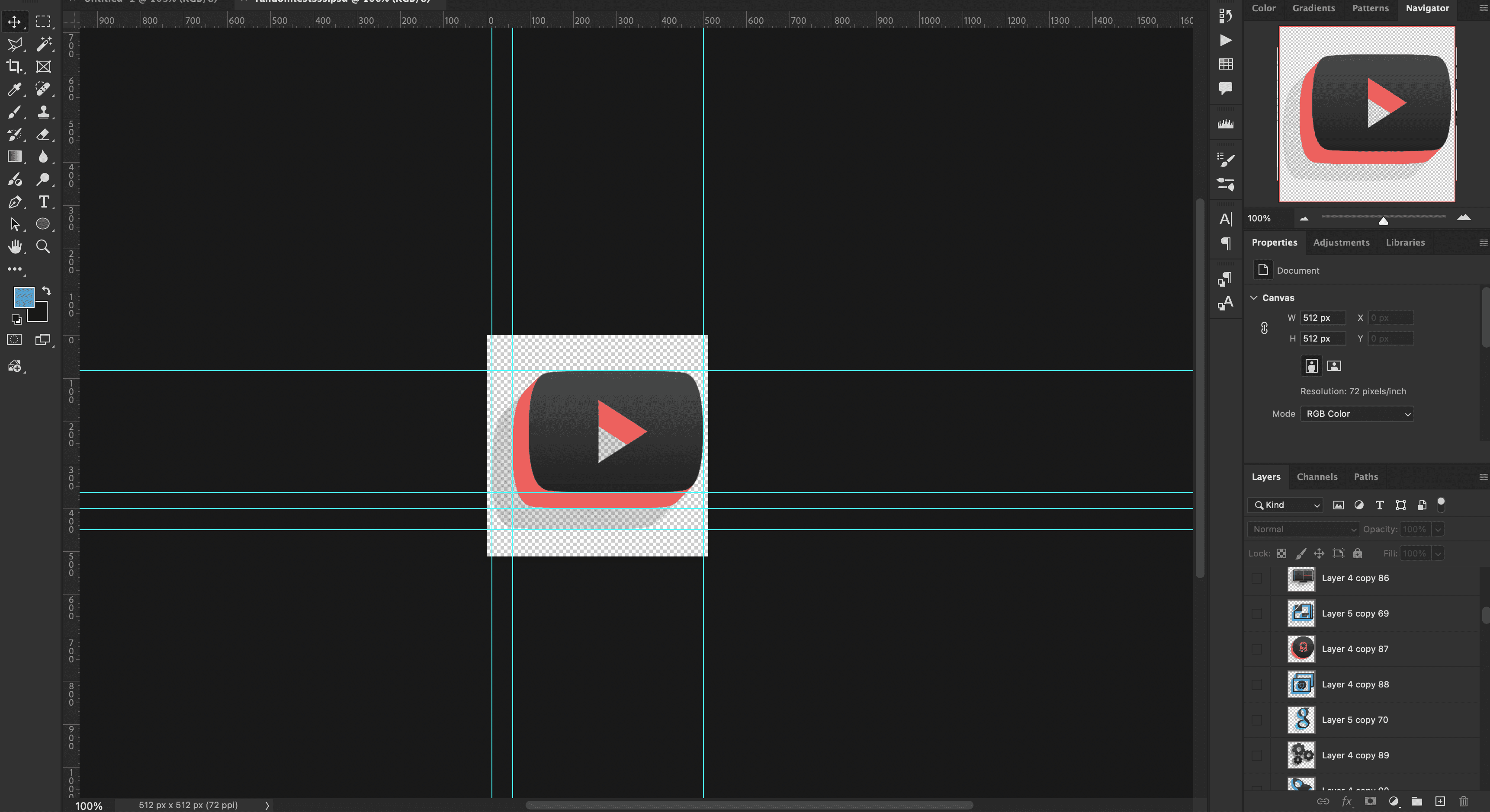
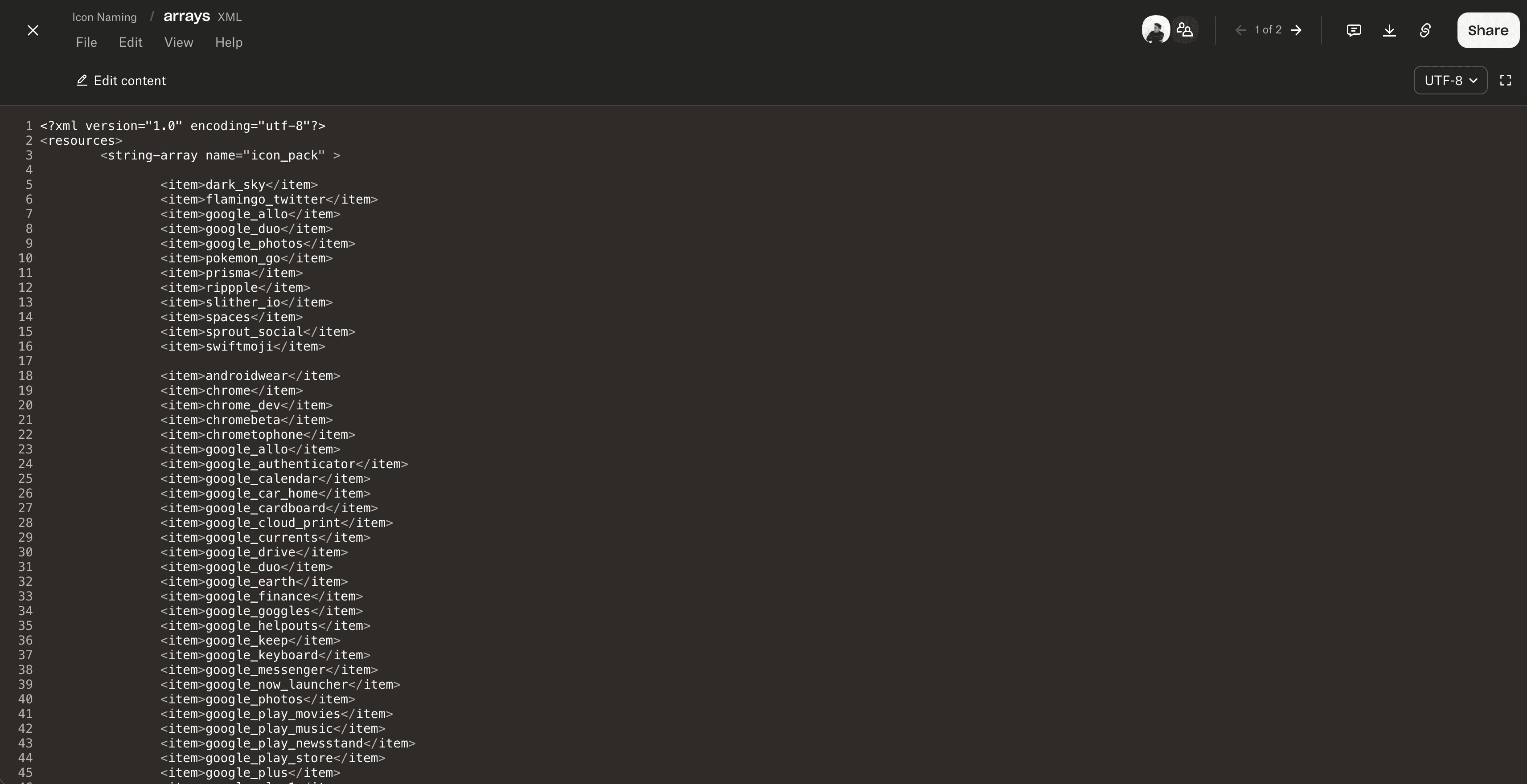
Managing a library of 3,000+ assets required a "systems-first" architecture. I developed a proprietary grid system to standardise iconography across thousands of third-party apps, effectively creating an early "Atomic Design" framework that allowed for rapid asset deploymentProduct-Led Growth (PLG)
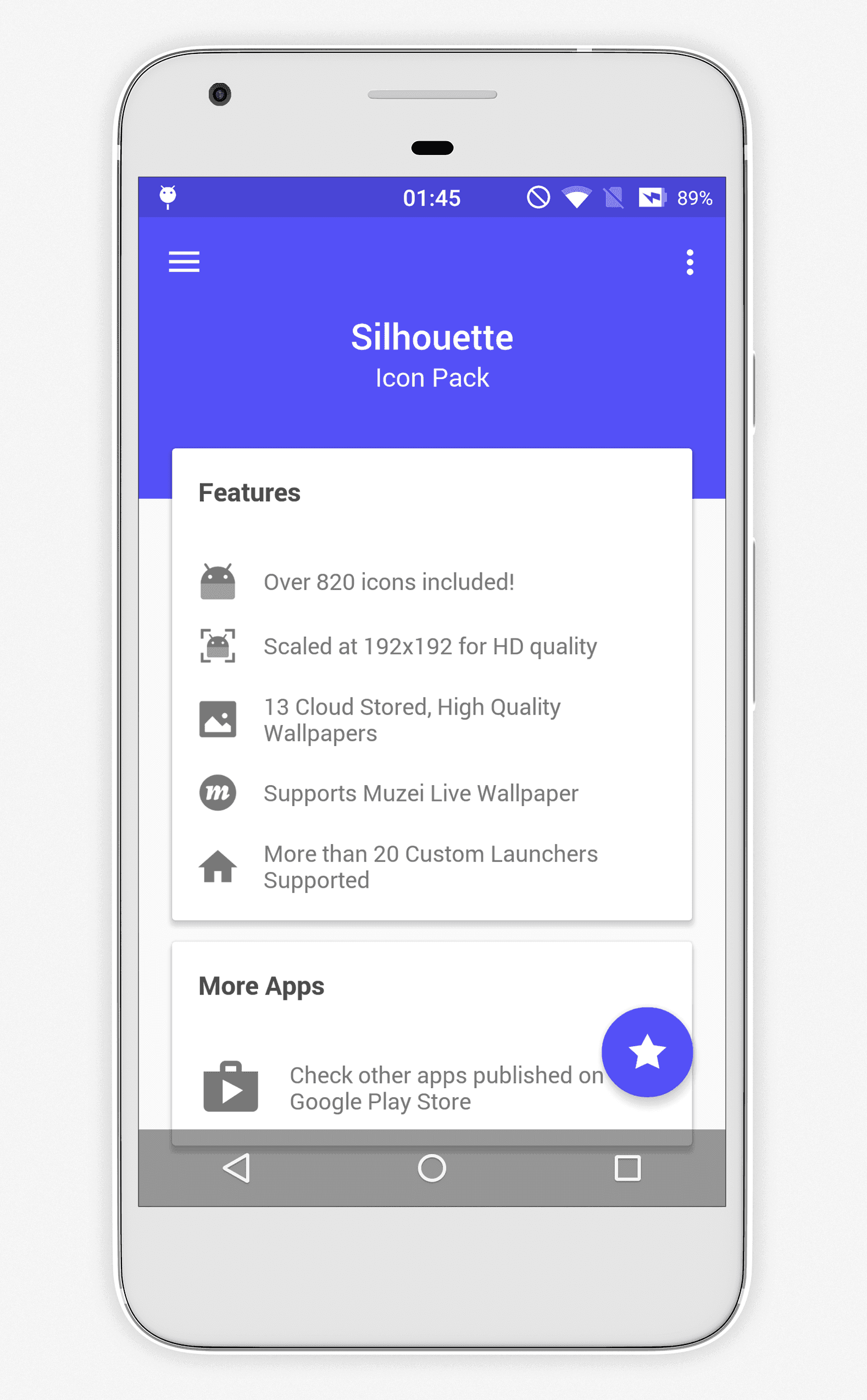
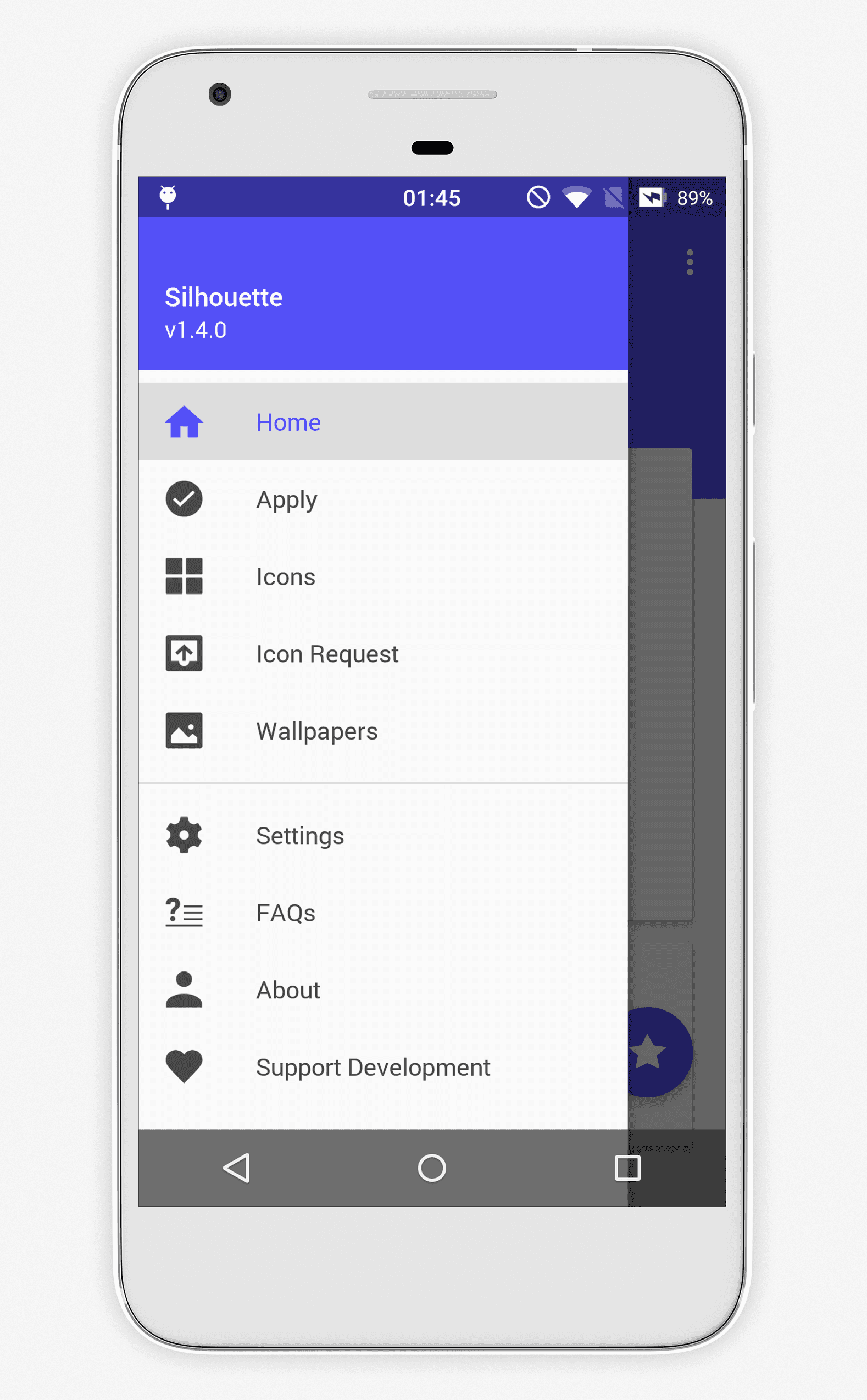
Success required more than just assets; it required a delivery engine. I deployed a companion dashboard app that served as the central user hub, featuring a "Request Tool" that allowed users to submit missing apps. This created a direct feedback loop, allowing me to prioritize the product roadmap based on real-time user demand.Zero-Budget Growth Strategy
I relied on organic growth mechanics to scale from 0 to 100,000 users. By embedding myself in early-adopter communities (XDA, Reddit) and executing continuous A/B tests on store keywords and imagery, I turned a small beta group into a viral advocacy engine.